
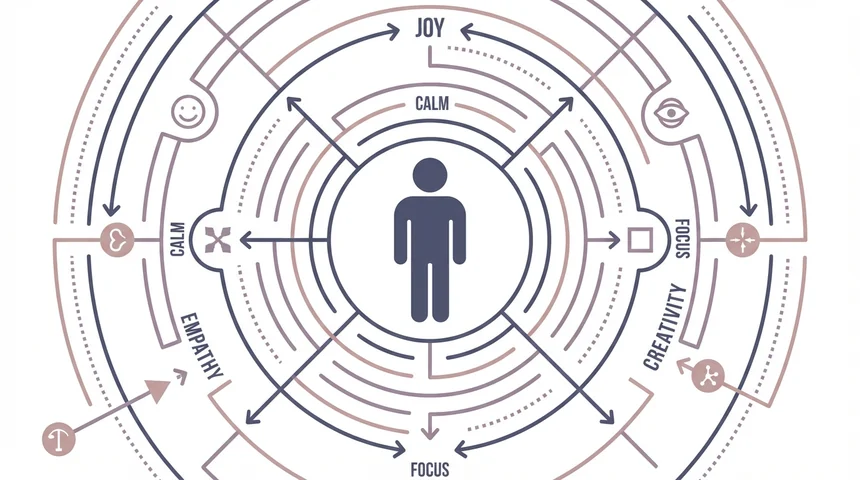
Reading the Room

Understanding Emotional Energy Radiating

Emotional awareness is the foundation of any strong relationship, but it is not an innate skill for everyone. Understanding different emotional states can bridge gaps between friends, family members, and colleagues. Some people wear their hearts on their sleeves, while others are more guarded and reserved. By recognizing these subtle differences in energy, we can adapt our own approach to ensure our interactions are constructive and respectful.

This heightened awareness reduces misunderstandings and fosters an environment of mutual respect. Here, we break down the most common emotional signals people emit and share practical ways to navigate complex conversations with clarity and empathy.

Active Observation

Learning to watch body language, micro-expressions, and posture to deduce what is left unsaid.

Empathetic Responding

Adjusting your own tone and approach to match or carefully elevate the energy of the person you are interacting with.

Recognising Emotional Signals

Emotions communicate through multiple channels simultaneously. Here are the most revealing ones.

The Voice

Pace, pitch, and volume shift dramatically when someone is under stress, excited, or withdrawn. A slower, quieter voice often signals discomfort; a raised one may indicate urgency or frustration. Training your ear to notice these shifts is a powerful empathy tool.

The Body

Open posture, relaxed shoulders, and leaning forward communicate engagement and trust. Crossed arms or a turned-away torso often mean disengagement. These cues are largely unconscious, making them particularly honest indicators of emotional state.

The Silence

Pauses in conversation carry enormous weight. A considered silence after your words may signal that the other person is processing deeply. An abrupt silence, however, can indicate hurt or surprise. Learning to sit with silence — rather than rushing to fill it — is a mark of emotional maturity.

Practical Exercises for Emotional Awareness

The Daily Emotion Check-In

Set aside two minutes each morning to name your current emotional state without judgment. Simply label it — curious, anxious, grateful, flat. This practice builds the habit of self-awareness that extends naturally into your awareness of others throughout the day.

Active Listening Without Fixing

In your next difficult conversation, commit to listening without offering solutions. Reflect back what you hear: "It sounds like you felt overlooked." This single shift dramatically increases the other person's sense of being understood and deepens the emotional connection between you.

The Body Scan Before a Meeting

Before entering a high-stakes conversation, take sixty seconds to scan your body from head to toe. Notice where tension lives — jaw, shoulders, stomach. Consciously releasing that tension signals to your nervous system that you are safe, reducing reactivity and sharpening your ability to read the room.