

[ Emotional Journal ]

Understanding Your Emotional Landscape

Every day, we exchange invisible emotional signals with the people around us. Vibe Diary is your guide to exploring this fascinating exchange of personal energy.

Vibe Diary - Navigating Emotions and Social Energy

Every day, we exchange invisible emotional signals with the people around us. At Vibe Diary, we are dedicated to exploring this fascinating exchange of personal energy. Building strong, lasting bonds requires more than just words; it demands a deep understanding of empathy, active listening, and emotional awareness. Our articles delve into the mechanics of healthy communication, the importance of protecting your personal space, and the value of maintaining a supportive network. By reflecting on our daily social experiences, we can cultivate deeper, more meaningful relationships that truly enrich our lives.

Explore our carefully curated articles and learn how to navigate the complex landscape of modern social interactions with grace and confidence.

The Three Pillars of Social Harmony

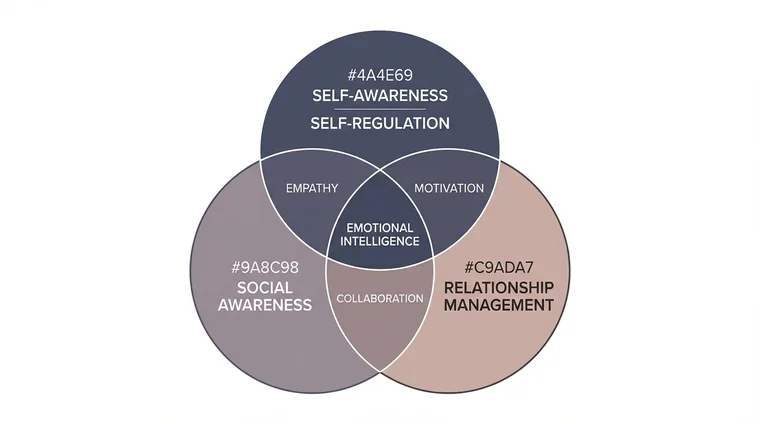
Emotional Intelligence and Social Harmony

Emotional Intelligence

Understanding the emotions of those around you is the first step toward building genuine connections. Emotional intelligence allows you to read a room accurately, recognize unspoken feelings, and adapt your approach to make others feel truly seen and understood.

Practicing Active and Deep Listening

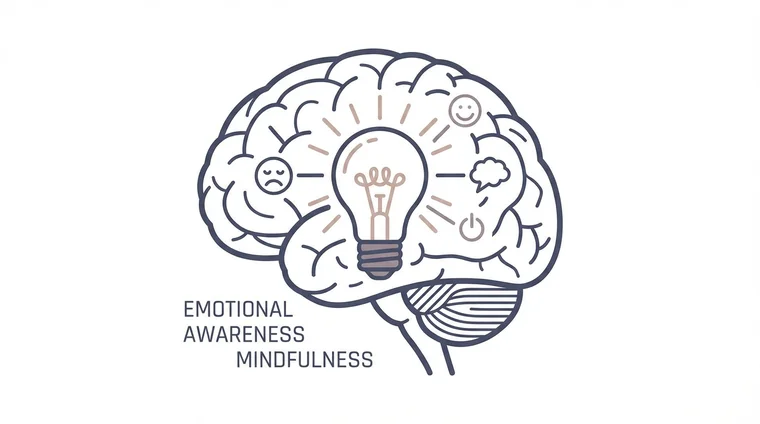
Active and Deep Listening

Listening is more than just hearing words; it is about paying attention to tone, pace, and body language. By practicing active listening, you create a safe space for open dialogue, reducing the likelihood of miscommunication and fostering deeper mutual respect.

Mindful Energy Management and Balance

Mindful Energy Management

Your personal energy influences every interaction. Mindful energy management involves recognizing when you need to recharge and learning how to protect your boundaries. When you are emotionally balanced, you can engage with others more thoughtfully and positively.

Moments of Connection

Explore the quiet, meaningful interactions that shape our emotional landscape and fuel our well-being.

Deep meaningful conversation over coffee Peaceful journaling and emotional reflection Diverse group of adults laughing together Warm empathetic smile and eye contact Peaceful nature walk for energy recharge Abstract energy waves connecting human profiles

Frequently Asked Questions on Emotional Dynamics

What does it actually mean to "read the room"?

Reading the room refers to the ability to intuitively sense the emotional climate of a space before speaking or acting. It involves observing subtle cues like body language, tone of voice, and the general mood of the people present, allowing you to adapt your approach and communicate more effectively.

How can I protect my personal energy in demanding social situations?

Protecting your energy starts with setting clear internal boundaries and practicing self-awareness. Simple techniques like mindful breathing or stepping outside for a brief moment can help you recharge. It is important to remember that it is perfectly acceptable to prioritize your well-being when you feel overwhelmed.

Can emotional intelligence be learned, or is it an innate trait?

While some individuals may have a natural inclination toward empathy, emotional intelligence is absolutely a skill that can be developed over time. Through consistent practices like active listening, journaling, and genuine self-reflection, anyone can enhance their ability to understand and manage emotions.

What is the key difference between empathy and sympathy?

Sympathy is generally defined as feeling compassion or sorrow for the hardships of another person. Empathy, on the other hand, goes a step further; it is the ability to actively put yourself in someone else's shoes, truly sharing and understanding their feelings from their unique perspective.

Why does nonverbal communication hold so much power?

Often, what is left unsaid carries more weight than our spoken words. Your posture, level of eye contact, and micro-expressions signal your genuine intentions. Mastering nonverbal cues helps to build trust and authenticity, which are the cornerstones of any healthy relationship.